Oversized vs. Boxy Fit T-Shirt: What's the Difference?
Modified: 05/06/2026 07:20 PM · Luke Pajer

They're not the same thing. Here's exactly how they differ — and when each one wins.
People have been using "oversized" and "boxy" like they mean the same thing. They don't. The confusion is understandable — both give you more room, both lean into the streetwear silhouette, and you'll often find them described interchangeably on product pages by brands that either don't know the difference or don't think you do.
You should know the difference. It affects how your clothes fit, how they look, and whether you're actually buying what you want.
What Oversized Actually Means
An oversized shirt is exactly what it sounds like: a shirt that's been scaled up. More fabric in every dimension — wider chest, longer body, longer sleeves. The seams might still sit in roughly the standard position. The shape might still taper slightly through the waist or follow a normal shirt's geometry, just bigger. When you size up two or three times on a standard cut and it swallows you, that's oversized.
Oversized works. It's comfortable, it drapes, it gives you that relaxed, falling-off-the-shoulder energy that's been dominant for years. But it's not always precise. A true oversized shirt can look unintentional if the proportions don't work with your height or frame. It can also lose its shape quickly — especially in thinner fabrics — because there's nothing structural holding it in place.
What Boxy Actually Means
A boxy fit is about geometry. Specifically: square geometry. The shirt is cut with wide shoulders, a straight drop from armhole to hem, and a body that doesn't taper at the waist. The shoulder seam might sit slightly dropped. The hem is straight across, clean and level. When you put it on, the shirt doesn't follow your body shape — it hangs from your shoulders as a deliberate architectural form.
The key word is intentional. A boxy tee in a medium can look more considered than an oversized shirt in an XL because the shape was designed, not just inflated. The chest doesn't need to be enormous for the fit to read as boxy — the squareness of the cut communicates it at any size.
The difference in a sentence: Oversized is scale. Boxy is geometry. One is about size. The other is about shape.
Fabric Weight Changes Everything
Here's where it gets practical. Both oversized and boxy fits are significantly affected by fabric weight — but boxy fits suffer more from thin fabric. A boxy cut needs weight to hold its square shape. Lightweight cotton will droop and cling and turn your intentional boxy shirt into something that just looks like you made a sizing mistake. A heavyweight cotton at 240 GSM or above gives a boxy tee the structural integrity to hold that shape through a full day, through a wash cycle, through a workout.
Oversized cuts are slightly more forgiving on fabric weight because the volume of fabric creates its own drape. But heavyweight fabric makes an oversized shirt better too — it holds its shape longer, maintains the silhouette through wear, and simply feels and looks more premium when you're standing in it.
Which One Should You Buy?
Depends what you're building toward.
If you want volume, drape, that completely relaxed "I borrowed this from a much larger person and it looked great" energy — oversized. Pair it with slim or straight-leg pants to avoid the shapelessness problem.
If you want structure and shape with comfort and room — boxy. The boxy tee reads as intentional streetwear faster because the geometry communicates design. It works across more situations because the squareness gives it a slightly more polished edge without sacrificing the relaxed vibe.
In 2026, the broader trend is moving toward boxy. What style analysts have been calling "Oversized 3.0" is essentially the boxy silhouette taking over from pure volume — the same comfort DNA, more architectural execution. If you're buying for now and buying well, boxy with heavyweight fabric is the call.
The One Case Where Oversized Still Wins
Layering underneath a jacket or outer shell. When the shirt is mostly hidden and you need the extra fabric for comfort and movement, pure oversized is great — especially if you're built wide through the chest and shoulders and need the room without the boxy tee's squared-off silhouette creating odd proportions under a layer. For visible, leading-piece wear though, boxy takes it.
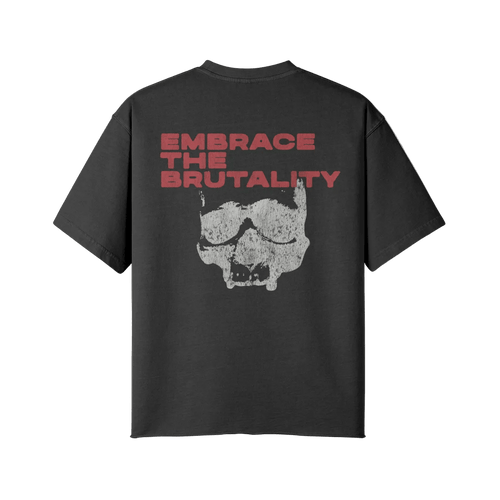
Pajer Hockey builds the boxy cut because that's the direction the culture is moving, and because our customers — on ice, at the gym, on a job site, wherever — need a shirt with enough weight and structure to hold its shape through whatever they're doing. Shop the Savage Fit collection here. Heavyweight cotton. Boxy cut. Built to last.
→ Shop Pajer Hockey Tees — boxy cut, heavyweight fabric, a graphic that earns its space.