Best Hockey Training Apparel for Serious Players in 2026
Modified: 04/01/2026 01:54 PM · Luke Pajer

Hockey players don't train in air-conditioned gyms with mirrors and motivational posters. You train in rinks that smell like decades of sweat, in garages where the temperature drops below freezing, and in weight rooms where the equipment has been around longer than most NHL careers.
Your training apparel should match that intensity.
What Makes Training Apparel Hockey-Tough
The difference between generic athletic wear and hockey-specific training gear comes down to three things: durability under repeated punishment, functionality during high-intensity movement, and the ability to transition from dry-land training to ice work without falling apart.
Most athletic brands design for the average gym-goer who sweats through a 45-minute elliptical session. Hockey players need gear that survives bag skates, battle rope sessions, and the kind of explosive movement that shreds lesser fabrics at the seams.
Premium training apparel uses reinforced stitching at stress points, moisture-wicking materials that actually perform under heavy exertion, and cuts that allow full range of motion without riding up during skating drills or getting caught on equipment.
The Oversized Fit Advantage
There's a reason hockey players have gravitated toward oversized fits for decades. It's not just aesthetic—it's functional.
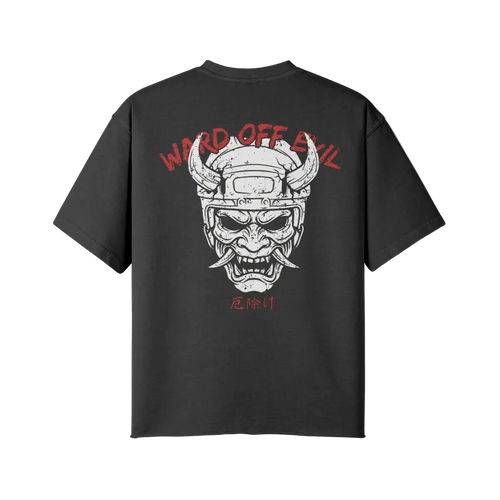
An oversized cut allows unrestricted shoulder movement for shooting drills, provides layering options when transitioning between cold rinks and intense cardio sessions, and prevents that suffocating restriction that comes from tight-fitting athletic wear during maximum effort.
The best hockey training shirts sit loose through the torso while maintaining structure that doesn't bunch under shoulder pads or chest protectors during on-ice sessions.
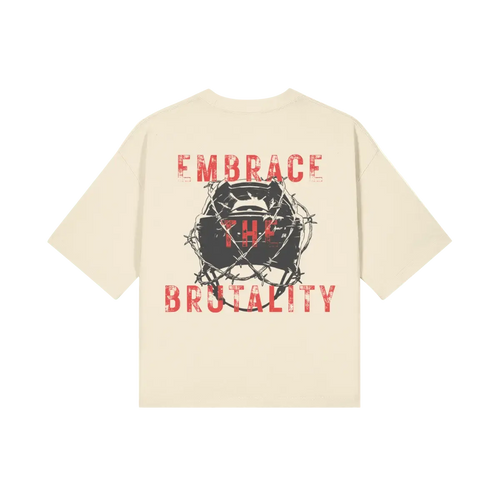
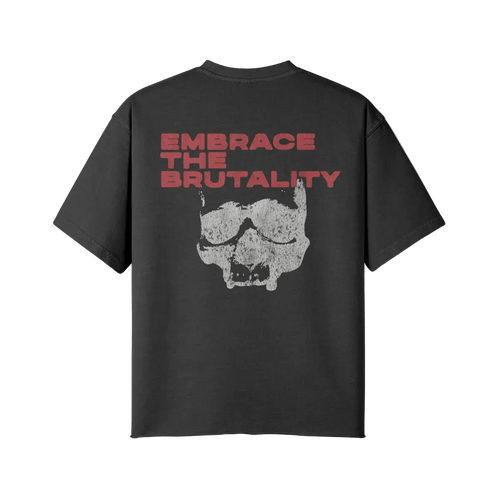
Ready to embrace the brutality? Shop gear built for those who work until something breaks.
Shop Now →Fabric Technology That Actually Matters
Marketing departments love throwing around terms like "moisture-wicking" and "breathable," but most athletic fabrics fail under the specific demands of hockey training.
What you need is a fabric blend that handles the unique challenge of hockey: intense bursts of exertion followed by recovery periods, often in environments that swing from freezing to overheated within a single training session.
Look for cotton-polyester blends in the 60/40 range for training gear. Pure synthetics feel slick and cheap. Pure cotton becomes a waterlogged mess. The blend gives you the soft comfort of cotton with the performance characteristics of synthetic materials.
Building a Training Wardrobe That Works
A functional hockey training wardrobe doesn't need to be complicated. Start with three to four quality training shirts that can rotate through your weekly schedule. Add an outer layer that handles the cold walk from the parking lot to the rink. Round it out with headwear that keeps sweat out of your eyes during bag skates.
The key is investing in pieces that perform multiple functions rather than accumulating cheap gear that falls apart after a few washes.
Quality training apparel should last multiple seasons. If you're replacing shirts every few months, you're buying the wrong stuff.
The Mental Edge of Quality Gear
There's a psychological component to training in gear that matches your intensity. Showing up to a session in cheap, faded athletic wear sends a message to yourself and everyone around you about how seriously you take your development.
This isn't about vanity. It's about the mindset you bring to every rep, every stride, every drill. When your gear reflects the work you put in, it becomes part of the ritual that separates serious players from everyone else.
What to Avoid
Avoid anything labeled "one size fits all"—this almost always means "fits nobody well." And be skeptical of ultra-cheap options that seem too good to be true. The fabric composition, stitching quality, and overall construction of budget gear simply can't match the demands of serious training.
The Bottom Line
Hockey training apparel should be an investment in your development, not an afterthought. The gear you train in should match the intensity of your work ethic and survive the punishment you put yourself through.
Look for oversized fits that allow full movement, quality fabric blends that perform under pressure, and construction that holds up season after season. Your training is too important to compromise on the gear that supports it.
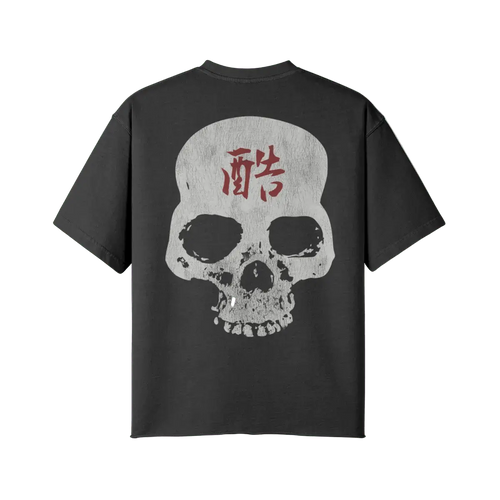
Pajer Hockey builds apparel for athletes who embrace the brutality of the game. Explore our Savage Fit Oversized Collection for training gear that matches your intensity.