The History of Grit in Hockey Culture
Modified: 04/01/2026 01:54 PM · Luke Pajer
No sport celebrates toughness quite like hockey. It's woven into the culture at every level, from the unwritten codes of professional play to the youth leagues where kids first learn that getting knocked down means getting back up. Understanding this tradition helps explain why hockey people are different.
This isn't about glorifying violence or dismissing legitimate concerns about player safety. It's about recognizing a culture that values perseverance, sacrifice, and team-first mentality in ways that distinguish it from other sports.
Origins of the Code
Hockey's toughness culture emerged from practical necessity. Early hockey was barely regulated chaos. Without formal rules or enforcement, players policed themselves. You protected your teammates because no one else would.
The frozen ponds and outdoor rinks of Canada and northern states bred hardiness into the sport's DNA. Playing through cold, through pain, through exhaustion wasn't heroic—it was simply what you did if you wanted to play.
As the sport professionalized, these values persisted. The code—that complex system of unwritten rules governing on-ice conduct—developed organically from these roots.
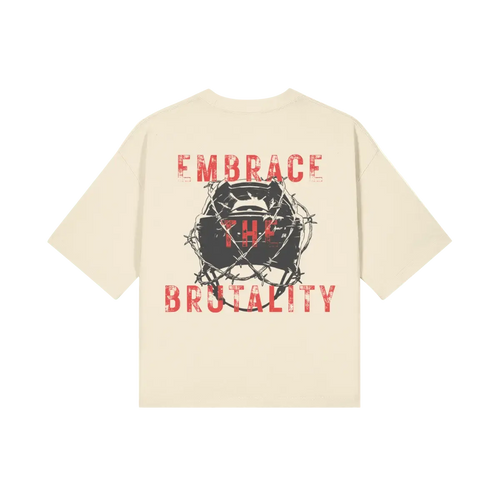
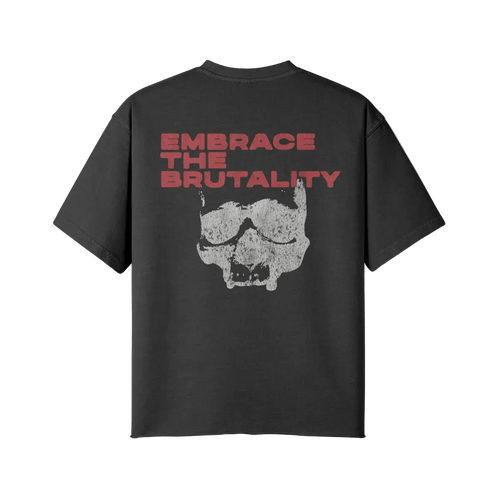
Ready to embrace the brutality? Shop gear built for those who work until something breaks.
Shop Now →The Enforcer Era
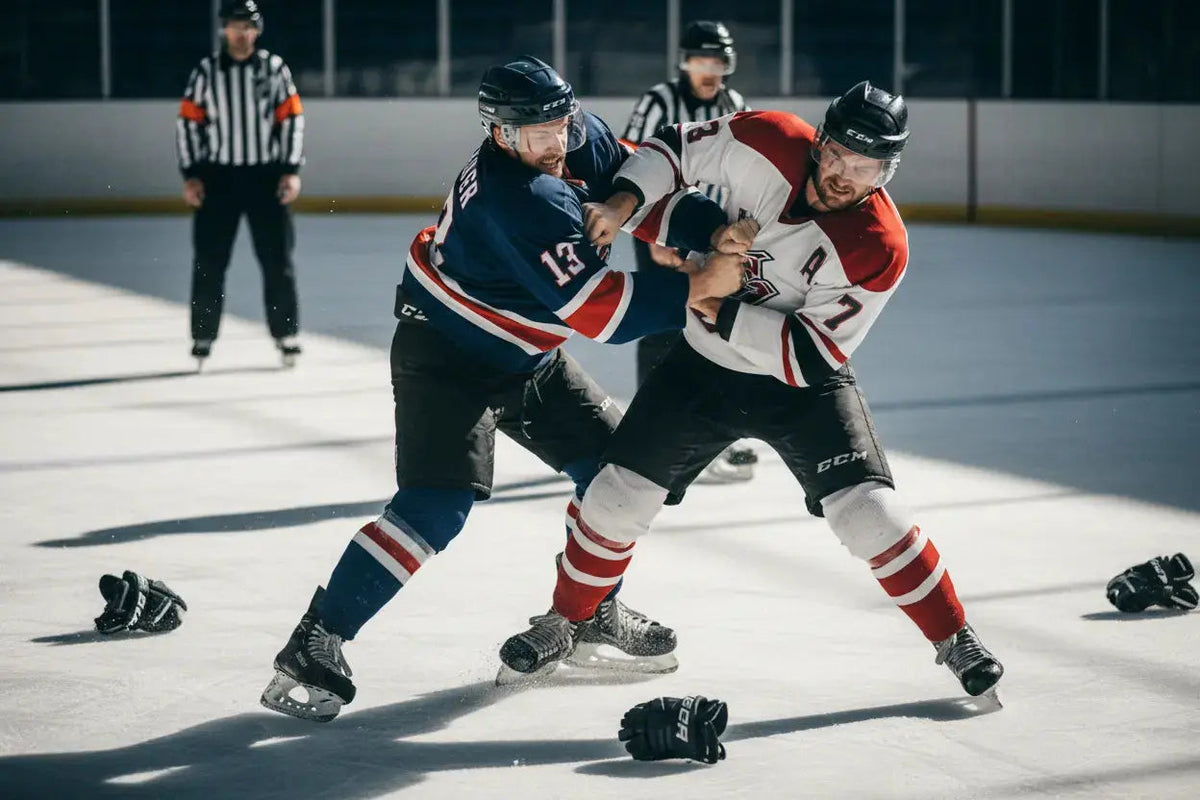
From the 1970s through the early 2000s, every team employed players whose primary job was physical intimidation. These enforcers fought so their skilled teammates could play without constant harassment.
The role attracted a specific type of person: tough enough to face combat regularly, selfless enough to sacrifice personal statistics for team protection, and mentally strong enough to handle the pressure. Many became beloved figures in their communities.
The enforcer role has largely disappeared from modern hockey as the sport evolved to prioritize speed and skill. Debates about its value and costs continue. But the toughness culture it represented persists in different forms.
Playoff Beards and Playing Hurt
The playoff beard tradition—not shaving until elimination or championship—exemplifies hockey's unique culture. It's a visible symbol of shared sacrifice, discomfort endured for the team's pursuit of a goal.
Playing through injuries that would sideline athletes in other sports remains common and celebrated in hockey. Stories of players competing on broken bones, with serious illness, or through pain that would incapacitate normal people are standard playoff lore.
Whether this is admirable commitment or concerning disregard for player welfare depends on your perspective. What's undeniable is its centrality to hockey culture.
Ready to embrace the brutality? Shop gear built for those who work until something breaks.
Shop Now →Toughness Beyond Fighting
Modern hockey toughness looks different than it did decades ago. It's blocking shots at full speed, knowing the puck might find an unprotected spot. It's backchecking hard in the third period when your legs are screaming. It's finishing checks cleanly, every time, to establish presence.
It's also the mental toughness to perform under pressure. To come back after mistakes. To stay composed when opponents try to draw penalties. The grittiest players today combine physical resilience with emotional control.
What It Means Today
For players at all levels, this culture provides a framework. Hockey teaches you that temporary discomfort is survivable. That individual sacrifice for collective success is noble. That showing up matters, especially when it's hard.
These lessons transfer far beyond the rink. The hockey player who learns to push through difficulty on the ice carries that capacity into work, relationships, and life challenges. This is why hockey people often share a recognizable mindset.
Embrace the brutality isn't about enjoying pain. It's about refusing to let pain stop you from pursuing what matters.