What to Wear Under Hockey Gear: A Complete Guide
Modified: 04/01/2026 01:54 PM · Luke Pajer
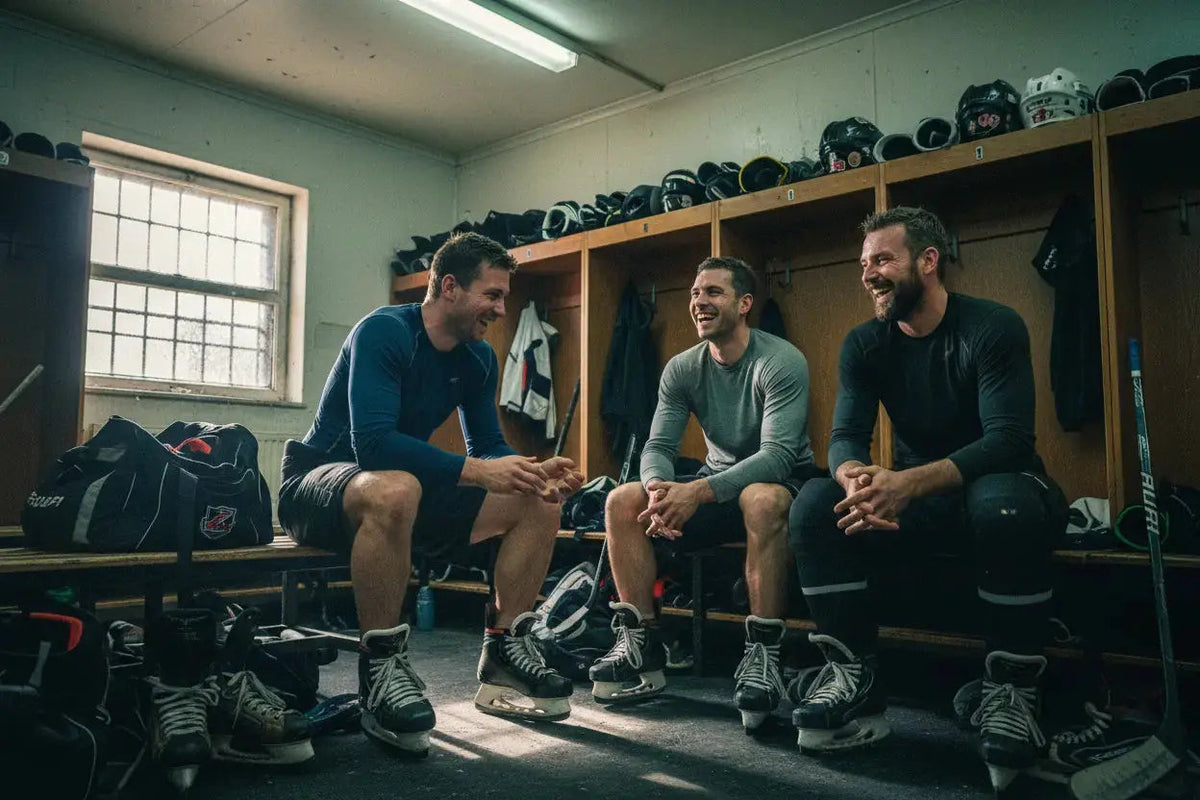
What you wear under your hockey gear affects everything from comfort to performance to how badly you smell after the game. Yet most players give it little thought, defaulting to whatever old t-shirt is handy. There's a better way.
The right base layers manage moisture, reduce chafing, and help your protective equipment fit properly. They can even extend the life of your pads by reducing the sweat that breaks down materials over time.
The Case Against Cotton
Cotton feels comfortable initially but becomes a liability once you start sweating. It absorbs moisture and holds it against your skin, leaving you cold during breaks and clammy during play. Wet cotton also increases friction, leading to chafing in all the worst places.
The hockey bag smell everyone dreads? Cotton base layers are a major contributor. They trap bacteria and take forever to dry, creating ideal conditions for that legendary hockey stench.
Performance Fabrics Win
Synthetic materials like polyester and nylon wick sweat away from your skin to the fabric's surface where it can evaporate. You stay drier, more comfortable, and significantly less odorous.
Compression gear offers additional benefits. The tight fit reduces muscle vibration, which some players find reduces fatigue. Compression shorts also keep everything in place under your jock or jill, eliminating adjustment issues during play.
Look for fabrics with antimicrobial treatments. These help control bacteria growth and the associated smell. While not a substitute for washing your gear, they make a noticeable difference.

Top Half
A moisture-wicking compression shirt or fitted athletic top works well under shoulder pads. Short sleeves are most common, though some players prefer long sleeves for additional coverage under elbow pads.
Avoid anything with raised seams that might create pressure points under your pads. Flatlock stitching sits smooth against the skin even under compression.
Bottom Half
Compression shorts are the standard choice. They keep your cup secure, reduce thigh chafing, and wick sweat effectively. Some players prefer compression pants that extend to the knee for additional coverage under shin guards.
Hockey-specific compression gear often includes built-in cup pockets and mesh panels for ventilation in high-heat areas. These purpose-built options cost more but offer better functionality than general athletic compression wear.
Socks Matter Too
Hockey socks go over your shin guards, but what you wear underneath matters. A thin moisture-wicking sock reduces blistering and keeps your feet drier inside your skates. Avoid thick cotton socks that bunch up and create hot spots.
Some players wear no socks at all, preferring direct contact with their skate liners. This comes down to personal preference and how your skates fit.
Keeping It Fresh
Wash your base layers after every use. Unlike outer gear that's harder to clean regularly, base layers are easy to throw in with normal laundry. Having multiple sets in rotation means you're never stuck wearing yesterday's sweaty shirt.
Air out your equipment immediately after playing and consider antimicrobial sprays for items that can't be washed frequently. Your teammates will thank you.