Work-to-Street Apparel: Gear That Survives the Job Site
Modified: 04/01/2026 01:54 PM · Luke Pajer

You don't clock out at 5 PM and magically transform into a different person. The guy who spent eight hours on a job site doesn't suddenly need soft fabrics and slim fits when he heads to the bar with the crew.
Workers need apparel that handles the transition from work to life without falling apart or looking like you just crawled out of a construction trailer.
The Problem with "Work Clothes"
Traditional work apparel falls into two categories: disposable garbage that falls apart in weeks, or stiff, uncomfortable gear that feels like wearing cardboard.
Neither option respects the reality of how tradesmen actually live. You need clothes that survive concrete dust, welding sparks, hydraulic fluid, and whatever else the job throws at you—then clean up well enough to wear to your kid's hockey game or grab dinner without looking like you forgot to change.
The answer isn't buying two wardrobes. It's investing in apparel built for both worlds.
What "Durable" Actually Means
Marketing teams throw "durable" around like it's a magic word that excuses cheap construction. Real durability for blue-collar work comes down to specific elements that most brands skip.
Reinforced stress points at shoulders and seams handle the constant reaching, lifting, and pulling that comes with physical work. Quality fabric weight—not too light to survive abrasion, not too heavy to suffocate you during summer jobs. Colorfastness that doesn't turn every wash into a fading disappointment.
True work-to-street apparel should look better after six months than most gear looks on day one.
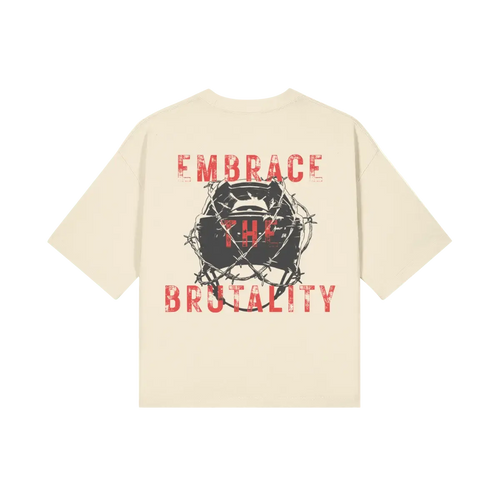
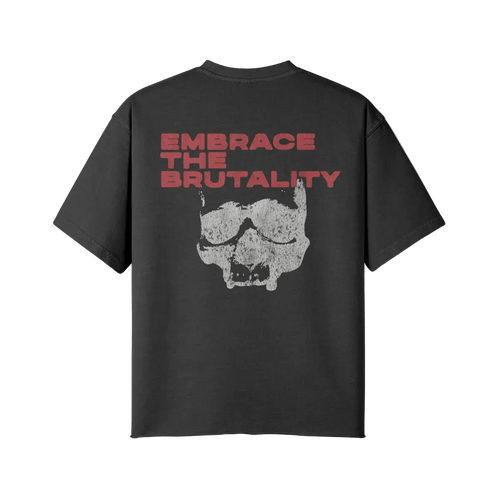
Ready to embrace the brutality? Shop gear built for those who work until something breaks.
Shop Now →The Intersection of Function and Style
There's a certain aesthetic that comes from gear designed for hard work. It's not the polished look of office wear or the try-hard style of fashion brands pretending to be rugged.
It's the honest look of clothes that have a purpose beyond appearance—but respect the wearer enough to look good while serving that purpose.
Construction workers, welders, roughnecks, and farmers have always understood this. The best work apparel earns its character through actual use, developing a worn-in quality that can't be faked by factory distressing or artificial aging.
Layering for Variable Conditions
Job sites don't care about your comfort. You might start the morning in freezing temperatures and end the afternoon sweating through an interior finish. Outdoor work means wind, rain, and sun—sometimes all in the same shift.
Smart layering solves this without requiring a closet full of specialized gear. A quality base layer that wicks moisture. A mid-layer that insulates without bulk. An outer layer that blocks wind and sheds water without turning you into a walking sauna.
The key is versatility. Each piece should work independently and combine seamlessly when conditions demand it.
Headwear That Works
Your head takes the most punishment on a job site—sun exposure, cold wind, sweat running into your eyes during physical work. Yet most tradesmen grab whatever baseball cap is closest and call it good.
Quality headwear protects your head, keeps sweat managed, and survives the abuse of daily wear. Look for structured fits that maintain shape after being crushed in a toolbox, materials that handle moisture without becoming a breeding ground for bacteria, and simple designs that don't catch on equipment or overhead hazards.
The Hockey Connection
Hockey players and blue-collar workers share more than just work ethic. Both groups understand that comfort matters less than performance, that toughness is earned through repetition, and that the right gear makes hard work slightly more bearable.
The same principles that make hockey apparel functional—durability under stress, freedom of movement, materials that handle extreme conditions—translate directly to job site demands.
This isn't accidental. The overlap between hockey culture and blue-collar work runs deep. Many of the best players came from families where hard physical work was the norm, where showing up and grinding through discomfort wasn't optional.
Ready to embrace the brutality? Shop gear built for those who work until something breaks.
Shop Now →Investing in Quality vs. Replacing Cheap Gear
The math on work clothes usually favors cheap and disposable. Buy the $10 shirt, destroy it in a month, replace it. The cycle continues.
But there's a hidden cost to this approach beyond the dollars spent. Cheap gear fails at inconvenient moments—seams splitting during critical tasks, fabric that doesn't breathe turning a hard day into a miserable one, materials that irritate skin after hours of contact.
Quality work apparel costs more upfront but pays dividends in comfort, durability, and the confidence that comes from gear that won't let you down when the job gets tough.
What to Look For
Fabric composition matters. Look for cotton blends that balance comfort with durability—pure cotton absorbs too much moisture and takes forever to dry, while pure synthetics feel cheap and don't breathe properly.
Construction quality shows in the details. Double-stitched seams at stress points. Reinforced shoulders and collar. Bar-tacked pocket corners. These small elements separate gear that lasts from gear that falls apart.
Fit should allow movement without excess material that catches on equipment or creates bulk under safety gear. The oversized aesthetic popular in hockey translates well to work environments—room to move without restriction.
The Lifestyle Behind the Clothes
Blue-collar work isn't just a job—it's an identity built on showing up, putting in the hours, and taking pride in work that matters. The apparel you choose reflects that identity.
Generic athletic wear says nothing. Fashion brands that play at being rugged insult the real thing. But gear designed specifically for people who work hard, built by people who understand that lifestyle, carries meaning beyond the fabric.
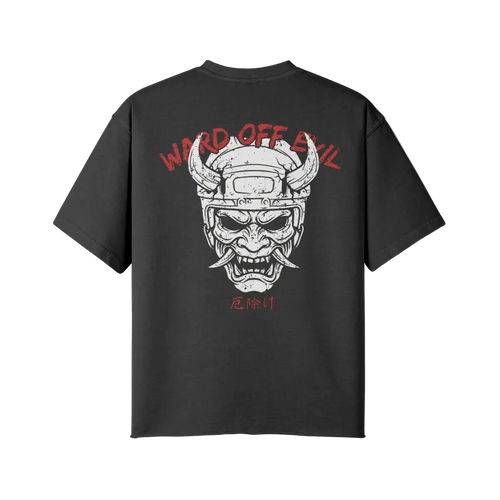
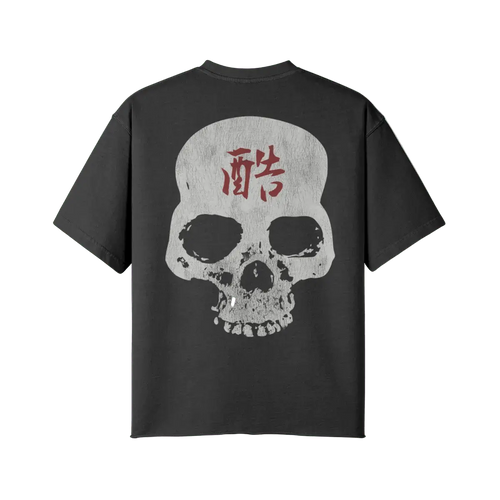
Pajer Hockey builds apparel for those who embrace the brutality—on the ice and on the job. Explore our Iron-Clad Outer Layers and Savage Fit collections for gear that survives the work and looks good after.